
How is Kadaikodi different from Shopify?
While Shopify focuses on single-merchant D2C storefronts, Kadaikodi is built natively for multi-merchant marketplaces, field operations, and India-first commerce as…
About this answer — Produced by our own assistant on 23 September 2026 from our published documentation. The pages it drew on are linked under the answer. It is generated text, not a statement from a person — where it and a linked page disagree, the page is right.
Answer
While Shopify focuses on single-merchant D2C storefronts, Kadaikodi[1] is built natively for multi-merchant marketplaces, field operations, and India-first commerce as detailed in the Shopify vs. Kadaikodi breakdown[2].
| Product | Marketplace Architecture | Products & Services | Field Operations |
|---|---|---|---|
| Kadaikodi[1] | Native multi-merchant platform | Unified physical items & bookable services | Built-in worker roster & task dispatch |
| Shopify | Single-merchant focus (apps required) | Physical-goods first (apps required for services) | No native dispatch layer |
Key differences between the platforms include:
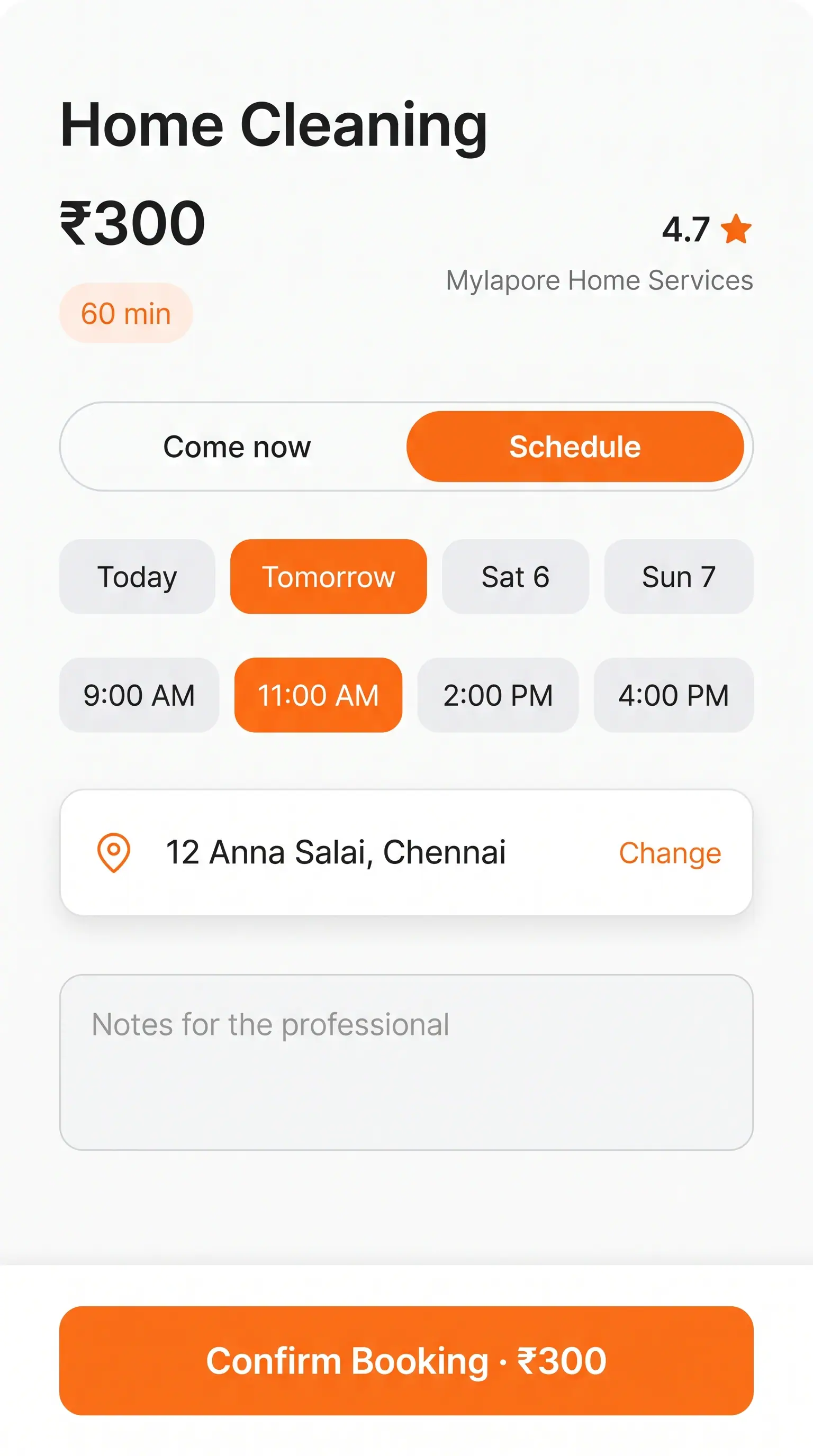
- Unified Catalog: Physical goods and bookable appointments move through the same cart, checkout, and order lifecycle natively, detailed in Service Appointment Booking[3].
- Worker Roster and Field Ops: Providers can manage rosters and dispatch typed tasks (such as pickup, delivery, or on-site service) with schedules and clock-in tracking.
- India-First Economics: Native INR tiers without third-party surcharges where Shopify Payments is unavailable.
 (opens in a new tab)
Illustration of the concept, not a screenshot of the actual product — Service Appointment Booking[3]
(opens in a new tab)
Illustration of the concept, not a screenshot of the actual product — Service Appointment Booking[3]
Compare all capabilities on the Kadaikodi vs. Shopify page[2] or check the Kadaikodi Pricing page[4].
Sources
The pages this answer was drawn from.
- Headless Cart & Commerce Management Platform | Kadaikodikadaikodi.com(opens in a new tab)
- Shopify vs. Kadaikodikadaikodi.com(opens in a new tab)
- Service Appointment Booking — Concept | Kadaikodikadaikodi.com(opens in a new tab)
- Affordable Pricing Plans | Kadaikodi - Kadaikodikadaikodi.com(opens in a new tab)